Your electricity bill probably isn’t what you think it is
A recent ranking from an energy comparison website called iSelect made waves, claiming Louisiana is one of the worst states in the country for electricity affordability. News outlets ran with it, putting Louisiana third on the list of most “financially strained” states for electricity costs.
That’s the kind of headline that could make you question why you live here, especially if you’ve paid those summer electric bills.
But here’s the thing: the headline and the reality aren’t the same. In fact, New Orleans and Louisiana have some of the lowest electricity rates in the nation.
What the ranking actually measures
Before you panic, it’s worth asking: what is this index measuring?
iSelect’s “Energy Affordability Index” is a proprietary formula, meaning they built it, they own it, and they decide what goes into it. It combines electricity bills, income, and price changes into a single score. Louisiana lands near the top of that ranking. But when you look at the actual numbers underneath it, the story gets a lot less dramatic.
The average Louisiana household pays around $150 a month for electricity, about 3.1% of monthly household income. The national average is roughly 3%. That’s a difference of less than a tenth of a percent. Not exactly the crisis the headline implies.
What’s really going on?
We use a lot of electricity, and there’s multiple reasons for that
The typical American household uses around 860 kilowatt-hours of electricity per month. Louisiana households use nearly double that, somewhere between 1,500 and 1,600 kilowatt-hours.
That’s not because our electricity is expensive. Louisiana has some of the lower electricity rates in the country.
It’s because of where we live.
New Orleans sits in one of the hottest, most humid climates in the United States. Air conditioning isn’t optional here. It runs hard, all summer long, often well into the night. And unlike drier climates, our air conditioners do double duty, removing both heat and moisture from the air. That takes real energy.
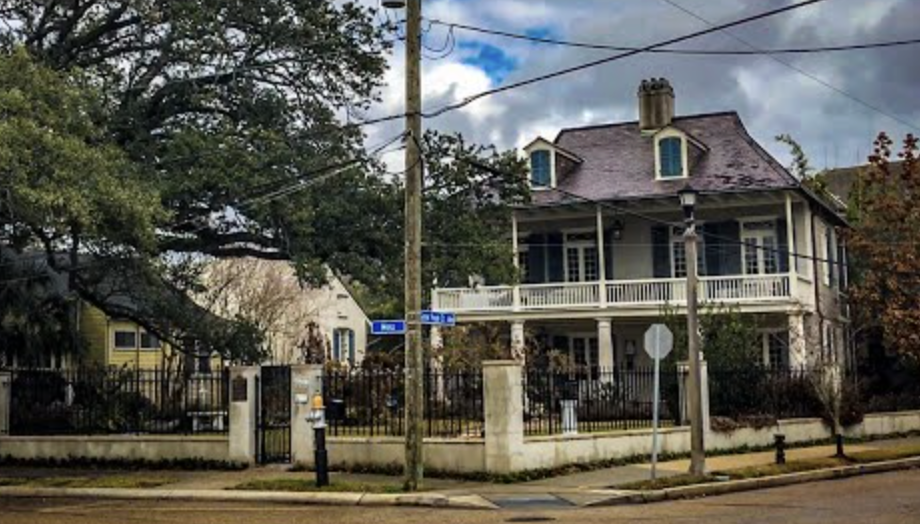
Layer on top of that our housing stock. A huge portion of New Orleans homes were built before modern efficiency standards existed, before insulation requirements, before duct sealing, before high-efficiency HVAC became the norm. Cool air leaks out. Heat seeps in. Air conditioners run constantly trying to keep up.
Climate plus old housing stock equals high electricity use. It’s that simple.
Income is part of the picture too
Energy burden, the share of income you spend on energy, goes up when income goes down, even if your electricity rate stays the same. That’s why talking about affordability in Louisiana means looking at both sides: how much energy people use, and what they earn.
The program that’s making a difference
Here’s some good news: the city has been working on this.
Energy Smart New Orleans, created by the City Council and administered by Entergy New Orleans, has been helping residents and businesses cut their energy use since 2010. The program offers audits, rebates, and incentives for things like better insulation, efficient air conditioners, and smart thermostats.
More than one hundred thousand homes and businesses have participated. Tens of millions of dollars in incentives have been distributed. And the results are real: lower bills, less strain on the grid during peak summer heat.
Energy efficiency is often called the cheapest energy resource, because it’s almost always cheaper to save electricity than to generate more of it.
On the idea of deregulation
Whenever a story like this runs, someone brings up deregulation. If we just opened Louisiana’s electricity market to competition, the argument goes, prices would come down.
It’s worth looking at what deregulation looks like in practice.
Deregulated markets, like Texas, give customers a lot of retail electricity options to sort through. The pitch is competition and savings. The reality often includes confusing pricing, teaser rates, hidden fees, and bills that can spike dramatically when wholesale markets swing. Texas has seen this play out during extreme weather events, with sometimes devastating results for consumers.
Louisiana’s current system isn’t flashy, but it’s stable. Rates go through public regulatory proceedings rather than retail marketing campaigns. And no amount of deregulation changes our climate, our old housing stock, or the amount of energy it takes to cool our homes in July.
The affordable path forward
The rankings will keep coming, and they’ll keep making headlines. But Louisiana’s electricity challenges aren’t really about rankings. They’re about climate, housing, and income. Those are the structural realities that drive our bills.
The good news is those are solvable problems. Better insulation, more efficient cooling systems, smarter energy use: these things work. Programs like Energy Smart prove it.
That’s where the focus should stay: making our homes more efficient, our grid more resilient, and our bills more manageable for the people who live here.